
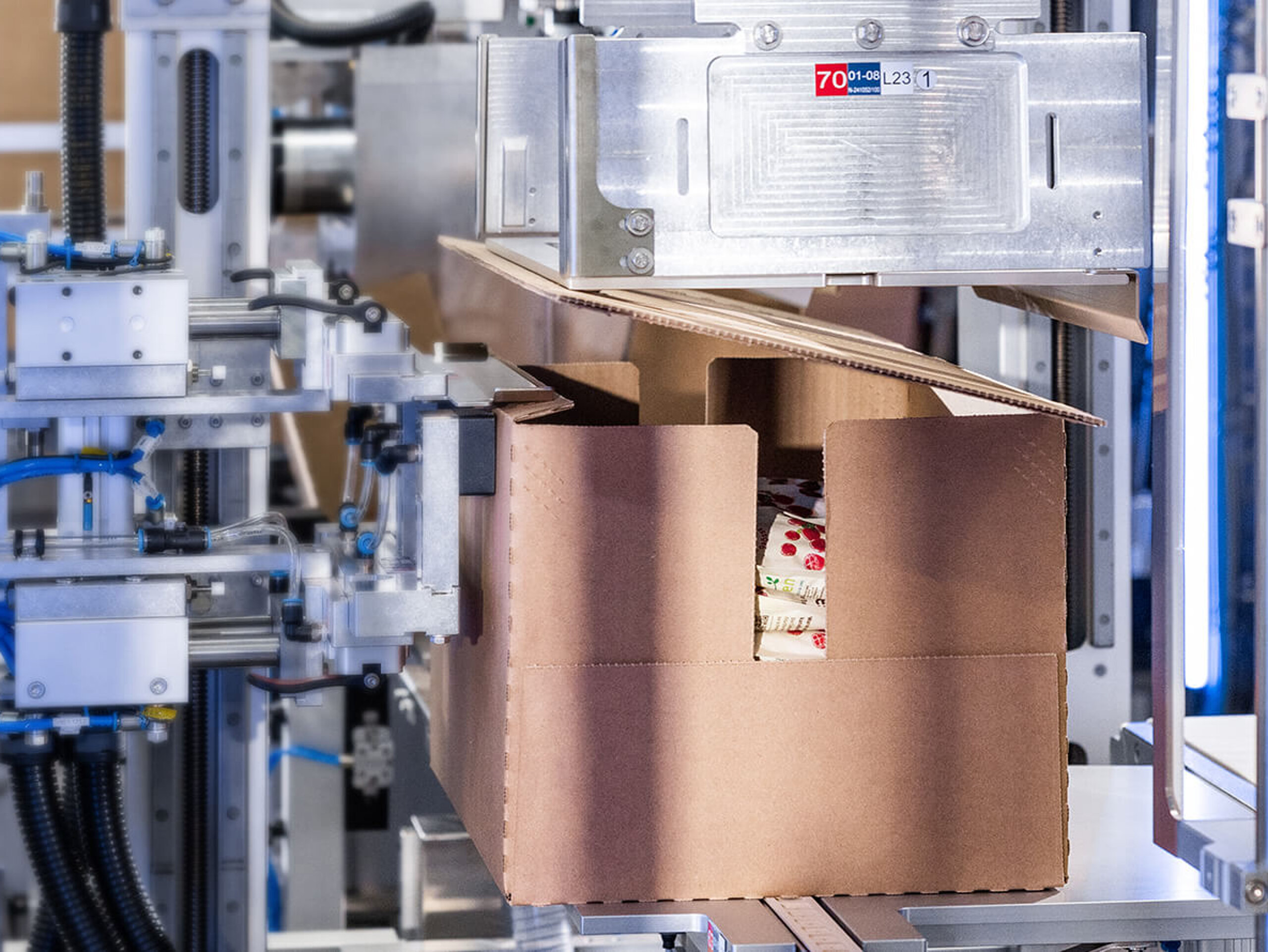
From secure transport to optimal shelf presentation – together we will find the best solution for your products.
The choice of the right packaging concept determines product protection, logistics efficiency and success at the point of sale. SOMIC offers a range of cardboard packaging concepts that can be flexibly adapted to your requirements. Whether an open cardboard packaging for maximum visibility, a closed carton for secure transport or a classic folding carton for standardized logistics – together we will find the optimal solution for your products.
Packaging determines success at the point of sale.
A well-considered secondary packaging is far more than just a transport wrapper. It protects your products throughout the entire journey from the production site to the shelf, eases handling for retail staff and presents your brand powerfully at the point of sale. At the same time, the choice of carton concept affects your material costs, warehouse logistics and sustainability profile. SOMIC supports you in developing the packaging concept that optimally combines all of these requirements.
Various concepts – an optimal solution for you
Each product places different demands on secondary packaging. SOMIC offers various concepts for cardboard packaging that differ in level of protection, visibility and handling. Click on a concept to learn more.

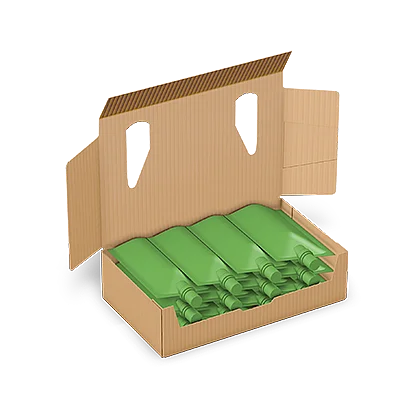
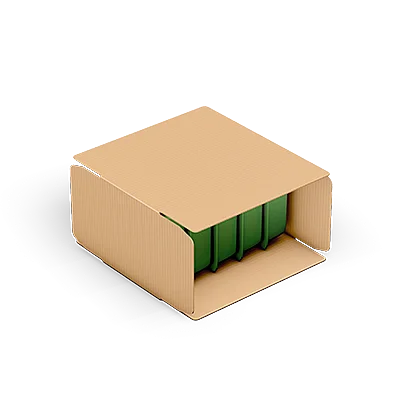
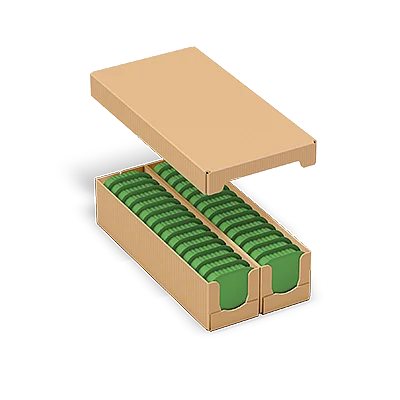
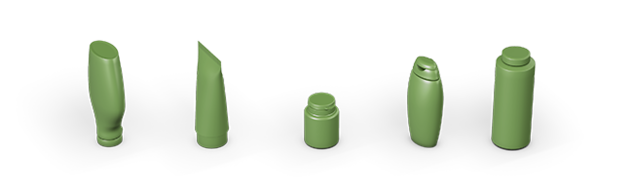
For these product formats, we offer the optimal packaging solution.
Each product shape presents unique challenges. Together we develop tailored packaging concepts to transport your products safely and efficiently and to present them attractively. With our bespoke packaging technology, we ensure your products are always optimally packaged.







FAQ
Frequently asked questions about packaging concepts
A tray is an open carton packaging without a cover that provides maximum product visibility on shelf. A wraparound, by contrast, is a fully closed, one-piece carton in which a flat blank is folded around the grouped products and sealed with hot-melt adhesive. The wraparound offers maximum transport protection and optimal stackability. In addition, it can be provided with a perforation that enables an optimal shelf-ready presentation in retail.
RSC stands for "Regular Slotted Container" or American Case – a classic folding carton with four sidewalls and closure flaps. The RSC carton is the standard in shipping logistics and is characterized by its universal applicability. It is particularly suitable for transport packaging, palletization and standardized logistics processes. Unlike the wraparound, the RSC is erected from a pre-glued blank and is not folded around the products.
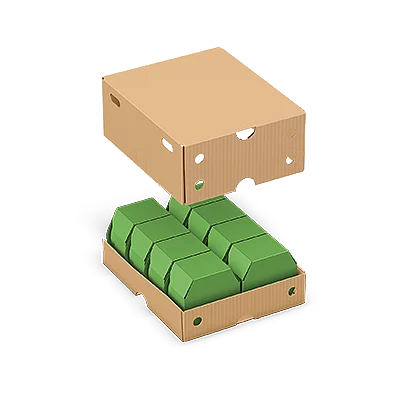
A tray/cover package is ideal when you require both high transport protection and an attractive POS presentation. The outer cover protects the products during transport and can be easily removed at retail – leaving a sales-ready display tray.
The difference lies in the sequence of the packaging process and the position of the cover. In the tray/cover variant the tray is erected and filled first, then the cover is applied from the outside. In the cover/tray variant the cover is folded around the products first, then the tray is erected over it from the outside. The cover/tray variant offers the advantage that after the inner cover is removed a pristine, undamaged tray remains on the shelf, making it ideal for attractive shelf-ready presentation.
SOMIC packaging machines process corrugated cardboard packaging in a wide range of material thicknesses – from solid board through the compact E-flute at approx. 1.5 mm and the versatile B-flute at approx. 3 mm to the robust C-flute at approx. 4 mm. Further carton types and material combinations available on request.

Creating the perfect packaging concept together
At SOMIC, your requirements are our priority. Our experts work with you to analyze your product in terms of size, shape, fragility and weight. We also assess your processes, integration into existing lines, cycle rates and desired format changes. Your objectives regarding POS presentation, transport protection, sustainability and cost efficiency are, of course, also important parameters. Based on this analysis, we recommend an optimal packaging concept and the appropriate SOMIC machine solution.